The doctoral program in Architecture currently offers two tracks of study: History and Theory of Architecture, and Ecosystems in Architectural Sciences. Both tracks aim to educate teachers capable of effectively instructing future architects in their own field and its manifold connections with the culture at large. The program forges a unique combination of professional knowledge with a historical and analytical grasp of architecture, deepening awareness of the field’s current state and the critical issues it faces.
The History and Theory track provides sound training in historical study and historiography, and cultivates understanding of intellectual trends that inform the reception and role of architecture in the world at large. It prepares candidates for careers in university teaching, cultural advocacy and administration, museum curatorship, and publishing, among others. Students draw on a wide range of disciplines including, but not limited to, the history of science and technology, social and political history, media theory, as well as the fine arts, literature, and popular culture.
The Ecosystems in Architectural Sciences track provides preparation in interdisciplinary scientific inquiry, qualifying students to incorporate scientific methods into experimental design frameworks in order to research and develop novel material and informational ecosystems. Students in this track engage in research related to the behaviors of living ecosystems, emphasizing their interconnection with the built environment.
David Gissen, Director of Doctoral Studies
Required Courses, History and Theory Track
9901, Ph.D. Seminar I 1 credit. (Required in, and limited to, Ph.D. first year, fall term.)
9902, Ph.D. Seminar II 1 credit. (Required in, and limited to, Ph.D. first year, spring term.)
9903, Ph.D. Seminar III 1 credit. (Required in, and limited to, Ph.D. second year, fall term.)
9904, Ph.D. Dissertation Preparation 1 credit. (Required in, and limited to, Ph.D. second year, spring term.)
Required Courses, Ecosystems in Architectural Sciences Track
9906, Ph.D. Seminar: Ecosystems in Architecture I 1 credit. (Required in, and limited to, Ph.D. first year, fall term.)
9907, Ph.D. Seminar: Ecosystems in Architecture II 1 credit. (Required in, and limited to, Ph.D. first year, spring term.)
9908, Ph.D. Seminar: Ecosystems in Architecture III 1 credit. (Required in, and limited to, Ph.D. second year, fall term.)
9909, Ph.D. Seminar: Ecosystems in Architecture IV 1 credit. (Required in, and limited to, Ph.D. second year, spring term.)
Master’s Degree
Graduate Research Assistant and Teaching Fellow Experience
Forms and Resources
Current Candidates and Students


Past dissertations
David Turturo
Caryatid: Architecture and the Framing of Bodies (2022). View dissertation.
Theodossios Issaias
Architectures of the Humanitarian Front, 1915-1930: The American Red Cross and the Refugee Settlement Commission of the League of Nations (2021). View dissertation.
Eugene Han
A Theory of Common Form in Aesthetic Perception (2019). Abstract.
Skender Luarasi
Where Do You Stop? A Critical Inquiry into Style, Geometry, and Parametricism in History (2018). Abstract.
Tim Altenhof
Breathing Space: The Architecture of Pneumatic Beings (2018). Abstract.
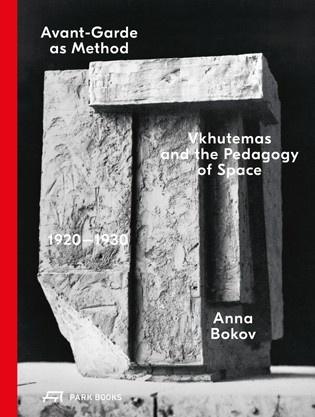
Anna Bokov
Teaching Architecture to the Masses: Vkhutemas and the Pedagogy of Space, 1920-1930 (2017). Abstract
Surry Schlabs
Waiting for Architecture: John Dewey and the Limits of Modern Art (2017). Abstract.
Kyle Dugdale
Architecture After the Death of God: Uriel Birnbaum’s Der Kaiser und derArchitekt (2015). Abstract.
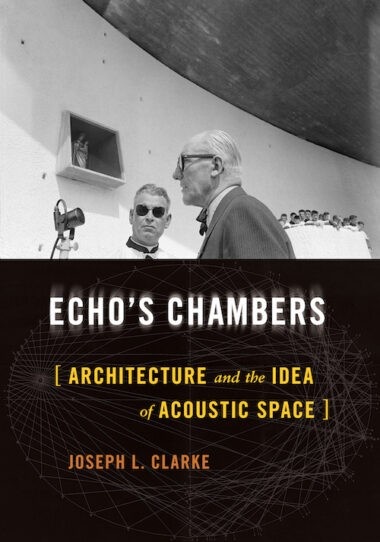
Joseph Clarke
The Architectural Discourse of Reverberation, 1750-1900 (2014). Abstract.