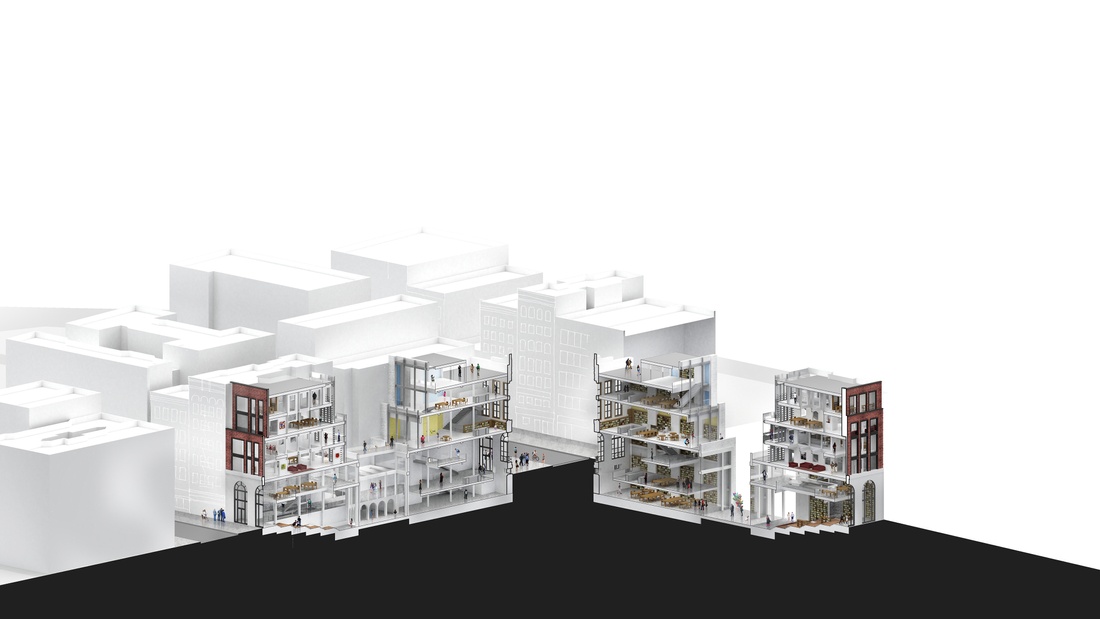
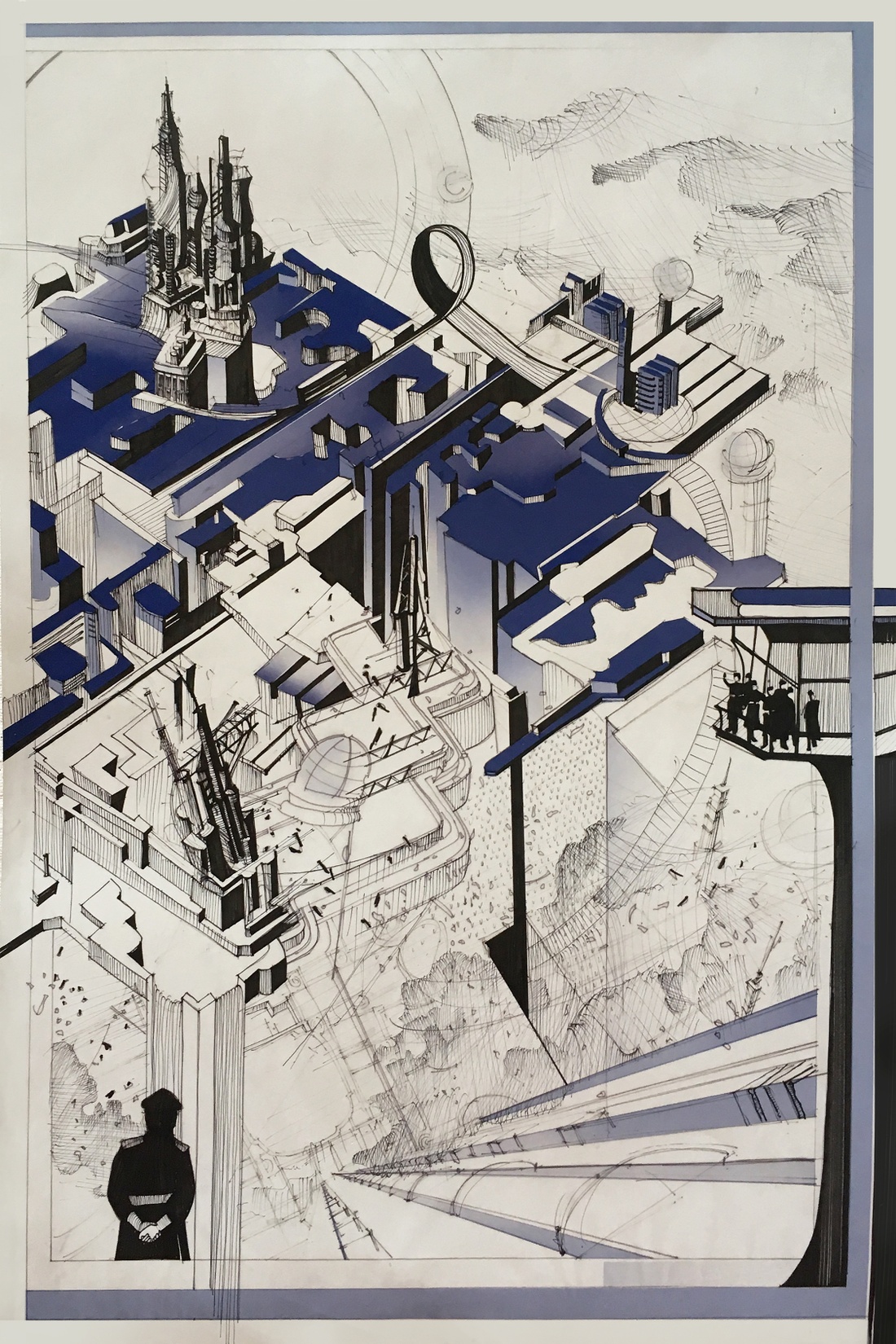
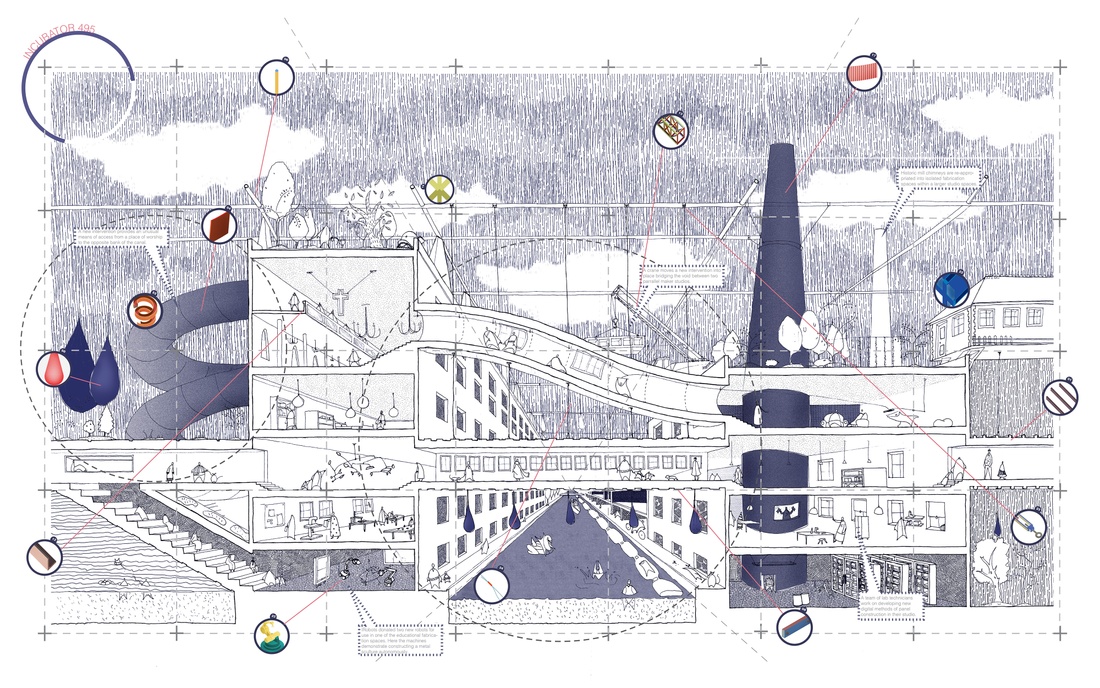
In 2026, as we mark Deborah Berke’s tenth year as dean, the Yale School of Architecture mounts an exhibition that examines the trajectory of its pedagogy under her leadership. As the world experiences even greater strains on our population growth, urban infrastructure, and climate, architecture at Yale has increasingly been explored as a practice of social engagement. Dean Berke’s focus on this imperative has led her to attract and recruit advanced studio faculty who see architecture as a means through which to inquire about and intervene in cultural-spatial questions. This exhibition features one project each from twenty-one architects who have taught advanced studios at Yale between 2016 and 2026. Despite the plurality of their design approaches, the architects represented are united around the core assertion that architecture holds the ability to address some of the world’s most pressing questions. The exhibition grounds itself in YSoA’s time-honored tradition of pluralism, here marking its evolution from an openness to stylistic diversity to the structural incorporation of numerous worldviews and design methodologies. Through a variety of media, the projects in this exhibition illustrate recent, current, and future-forward methods and design attitudes that shape Yale School of Architecture’s distinct culture. In this exhibition and at YSoA, pluralism is an ongoing, ever-evolving practice.
Common Reed explores the cultural ecology of the common reed (Phragmites australis) through parallel studies of its reciprocal relationships with landscapes and built environments in Iraq, England, and China. The exhibition brings tangible and tactile encounters into the North Gallery through workshops and installations that explore the potential of Phragmites in architectural practice.
This exhibition brings together an exceptional selection of architectural drawings, rare architectural treatises, models and contemporary parallels to explore the life, work, and enduring influence of the British neoclassical architect Sir John Soane (1753–1837). Organized around themes including collecting, architectural practice, education and legacy, it reveals how Soane redefined the language of classicism through originality, technical innovation, and a profound sensitivity to purpose and place. Drawn primarily from the collections of Sir John Soane’s Museum, historical works are presented alongside twentieth- and twenty-first-century architecture inspired in some way by Soane–such as Rudolph Hall at Yale–creating a dialogue across time. Together, they demonstrate that classicism is not a fixed historical style but a living tradition, highlighting the continuing relevance of Soane’s vision and its lasting capacity to inspire architecture today.